Designing a Robust Data Architecture: Key Questions for Organizational Success
Executive Summary
In today’s rapidly evolving digital landscape, a robust data architecture is essential for organizations seeking to leverage their data assets fully. This article delves into the critical aspects of designing a comprehensive data architecture, exploring the evolution from 1G technology to 4G big data architecture with AI-enabled solutions. Additionally, it outlines the capability stack necessary for an AI-first banking institution and provides insights for a legal tech organization to ensure efficient, secure, and scalable data management. The article highlights the key considerations, best practices, and strategies for successful digital transformation from the perspectives of IT and data experts.
| Aspect | 1G Technology | 2G Data Architecture | 3G Big Data Architecture | 4G Big Data Architecture with AI-enabled solutions |
|---|---|---|---|---|
| Visualization | Static reports | Dynamic dashboards | Business intelligence | Business intelligence + Action plans |
| Analytics | Descriptive | Descriptive, diagnostic | Descriptive, diagnostic, predictive | Descriptive, diagnostic, predictive, prescriptive |
| Storage | Spreadsheets, desktop databases, paper records | Standalone relational databases, data warehouses | Cloud computing, data lake | Cloud computing, data lake |
| Processing | Manual spot checks, statically automated checks | Automated validation checks encoded in web portal | Straight-through processing using robotic process automation (RPA) | Straight-through processing using RPA and AI-based validation |
| Collection | Manual submission (email, courier, fax, etc) | Bulk (web) uploads | Automated reporting (e.g., Application programming interface) | Automated reporting + real-time monitoring (e.g., chatbots) |
As organizations navigate the complexities of the digital age, a well-designed data architecture becomes a strategic imperative. Leveraging two illustrative frameworks, we examine the journey from traditional data systems to AI-enabled architectures and outline the critical elements necessary for building an AI-first institution in the legal tech sector.
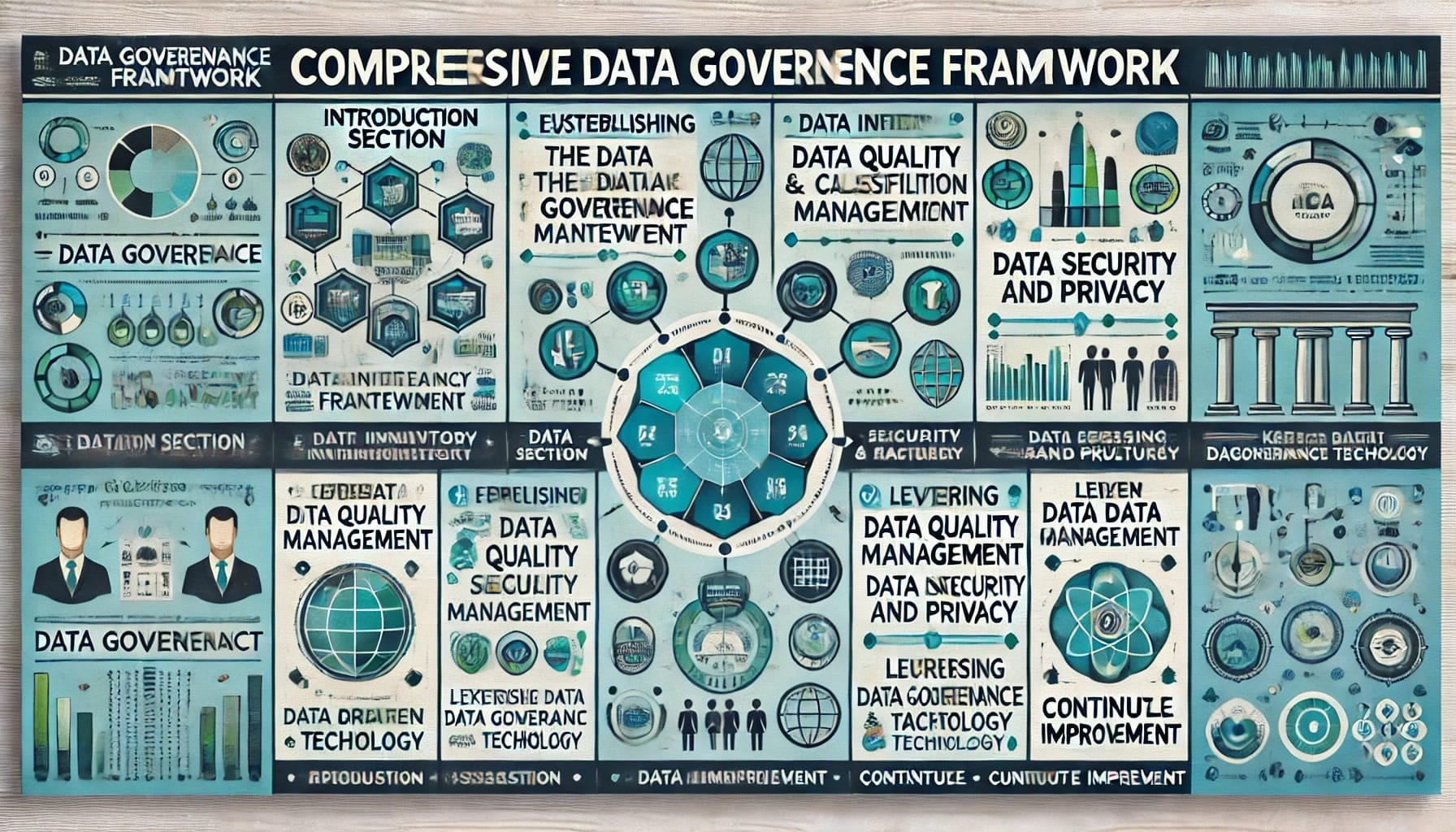
Key Considerations for Designing Data Architecture
1. Establish Clear Data Governance Framework and Policies
Questions to Consider:
-
What are the specific data governance policies, standards, and procedures required for our organization?
-
How do we ensure that these policies comprehensively cover data quality, security, privacy, and usage?
-
What communication strategies should we employ to ensure all stakeholders understand and adhere to these policies?
A robust data governance framework is the backbone of effective data management, ensuring that policies are clearly defined, communicated, and enforced across the organization.
2. Define Roles and Responsibilities
Questions to Consider:
-
Who will be appointed as data stewards, custodians, and owners within our organization?
-
What specific roles and responsibilities will these individuals have?
-
How will we ensure accountability for maintaining data quality, security, and compliance?
Clearly delineating roles and responsibilities ensures accountability and promotes a culture of data stewardship.
3. Ensure Regulatory Compliance
Questions to Consider:
-
What regulations (e.g., GDPR, CCPA) are relevant to our data architecture?
-
How do we stay updated with changes in these regulations?
-
What data retention and deletion policies must we implement to comply with legal requirements?
-
How can we maintain detailed audit trails and documentation for compliance purposes?
Adhering to regulatory requirements is non-negotiable. Organizations must implement robust mechanisms to ensure compliance and avoid legal repercussions.
4. Data Quality Management
Questions to Consider:
-
What data quality standards and metrics are essential for our organization?
-
What tools and processes will we use for data profiling, cleansing, and validation?
-
How will we continuously monitor and improve data quality?
High data quality is crucial for accurate analytics and informed decision-making. Continuous monitoring and improvement are essential.
5. Data Security and Privacy
Questions to Consider:
-
What data security policies should we define, including encryption, access controls, and data masking?
-
How can we implement effective privacy policies to protect sensitive information?
-
How often should we conduct security audits and risk assessments?
Protecting sensitive data from breaches and unauthorized access is paramount. Regular audits and robust security measures are necessary to safeguard data.
6. Data Accessibility and Usage
Questions to Consider:
-
How will we ensure data is accessible to authorized users while maintaining security?
-
What role-based access control (RBAC) mechanisms will we implement?
-
How do we balance data democratization with control and security?
Ensuring data accessibility while maintaining security requires a delicate balance, achieved through role-based access controls and robust security protocols.
7. Data Integration and Interoperability
Questions to Consider:
-
What standards for data integration (APIs, data formats, protocols) are necessary?
-
How do we ensure seamless data exchange between different systems and platforms?
-
How will we plan for the integration of legacy systems with modern technology?
Seamless data integration is vital for operational efficiency. Standards and protocols facilitate interoperability between diverse systems.
8. Metadata Management
Questions to Consider:
-
How will we implement a robust metadata management system?
-
How can we ensure all data assets are properly cataloged and documented?
-
How can metadata improve data discoverability and governance?
Effective metadata management enhances data discoverability and governance, ensuring that data assets are well-documented and easily accessible.
9. Data Lifecycle Management
Questions to Consider:
-
What is the defined lifecycle of our data from creation to deletion?
-
What policies for data archiving, retention, and purging do we need?
-
How do we ensure data lifecycle policies comply with regulatory requirements?
Managing the data lifecycle from creation to deletion is critical for compliance and efficient data utilization.
10. Data Governance Technology
Questions to Consider:
-
What data governance tools and platforms will best support our governance framework?
-
How can these tools provide capabilities for data cataloging, lineage tracking, and compliance monitoring?
-
How will we integrate these tools with existing systems and workflows?
Selecting the right technology tools enhances data governance by providing necessary functionalities for tracking, cataloging, and monitoring data.
11. Stakeholder Engagement and Training
Questions to Consider:
-
How will we engage stakeholders across the organization to ensure buy-in and support for data governance initiatives?
-
What training and resources will we provide to educate employees about data governance policies and best practices?
-
How can we foster a culture of data stewardship and accountability?
Engaging stakeholders and providing regular training fosters a culture of accountability and ensures adherence to data governance policies.
12. Continuous Improvement
Questions to Consider:
-
What mechanisms will we establish for continuous monitoring and improvement of data governance practices?
-
How will we use metrics and feedback to assess the effectiveness of our data governance policies?
-
How do we adapt and refine policies to address emerging challenges and opportunities?
Continuous improvement mechanisms ensure that data governance practices evolve to meet new challenges and opportunities.
13. Data Ethics
Questions to Consider:
-
What ethical guidelines for data usage and handling are necessary for our organization?
-
How do we ensure data practices align with our organization’s values and ethical standards?
-
How can we promote transparency and accountability in data-related decisions?
Ethical data practices ensure that data usage aligns with organizational values and fosters trust among stakeholders.
Evolution of Data Architecture
The following table provides a detailed overview of the evolution from 1G technology to 4G big data architecture with AI-enabled solutions.
Aspect1G Technology2G Data Architecture3G Big Data Architecture4G Big Data Architecture with AI-enabled solutionsVisualizationStatic reportsDynamic dashboardsBusiness intelligenceBusiness intelligence + Action plansAnalyticsDescriptiveDescriptive, diagnosticDescriptive, diagnostic, predictiveDescriptive, diagnostic, predictive, prescriptiveStorageSpreadsheets, desktop databases, paper recordsStandalone relational databases, data warehousesCloud computing, data lakeCloud computing, data lakeProcessingManual spot checks, statically automated checksAutomated validation checks encoded in web portalStraight-through processing using robotic process automation (RPA)Straight-through processing using RPA and AI-based validationCollectionManual submission (email, courier, fax, etc)Bulk (web) uploadsAutomated reporting (e.g., Application programming interface)Automated reporting + real-time monitoring (e.g., chatbots)
Designing a Robust Data Architecture: Key Questions for Organizational Success
Dit artikel is exclusief beschikbaar voor nieuwsbrief-abonnees. Schrijf je in voor toegang tot 880+ artikelen.
Geen spam. Uitschrijven op elk moment.
AI & Security Intelligence
Wekelijkse nieuwsbrief met AI updates, security alerts en compliance inzichten, direct in uw inbox.
Security & AI Operating Model
Advisory met executiekracht
Van BIO2 en NIS2 tot EU AI Act, embedded in uw operating model, niet als extern project. Maandelijks opzegbaar, met assessments als bewijsvoering.